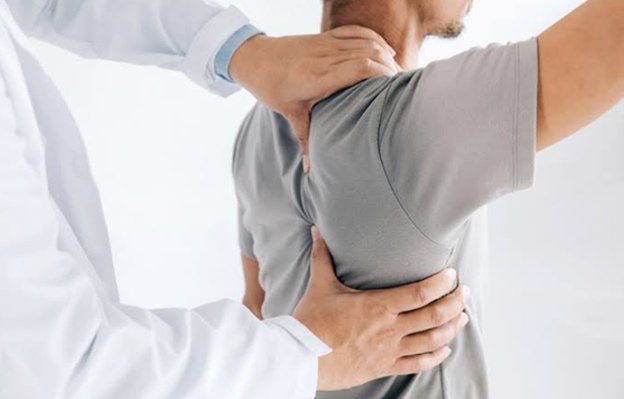
Individuals sometimes withdraw from social activities following shoulder injury, affecting relationships and wellbeing substantially. Confidence deficits sometimes prevent attempting previously enjoyed activities, causing isolation. Yet comprehensive therapeutic approaches now enable resuming fulfilling lives through strategic adaptation and empowerment. Shoulder limitations sometimes require understanding psychological adjustment alongside physical recovery processes. Finding appropriate local expertise requires understanding what contemporary practitioners genuinely deliver to individuals. Shoulder injury therapy specialists provide exactly this through holistic rehabilitation addressing emotional and practical dimensions. Experienced therapists understand the impact on daily living and confidence restoration thoroughly. Understanding what genuine therapeutic expertise delivers helps individuals appreciate possibilities. Those engaging in quality therapy discover transformation through psychological empowerment, enabling renewed lifestyle participation.
Supporting Workplace Accommodation Needs
Occupational demands sometimes conflict with shoulder limitations affecting employment capability. Desk work sometimes triggers pain through repetitive positioning, affecting productivity. Professional therapists guide workplace modifications addressing job requirements. Ergonomic assessment identifies problematic positioning patterns. Equipment adjustment recommendations prevent symptom aggravation. Task modification strategies enable continued employment participation. Workplace accommodation matters substantially for employment continuity. Occupational adjustment matters genuinely, affecting career maintenance. Economic security matters profoundly for stability.
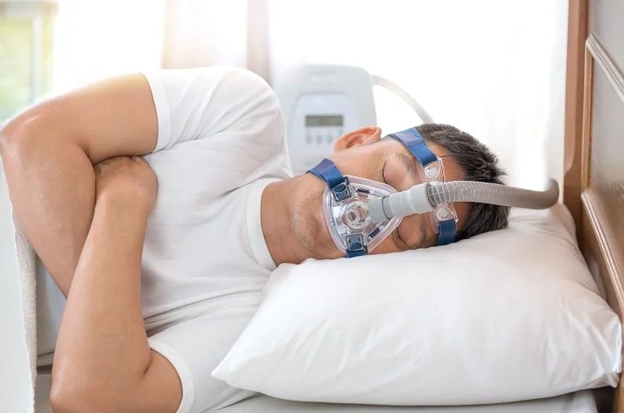
Improving Sleep Quality Through Positioning
Night-time discomfort sometimes prevents restful sleep, affecting recovery. Sleep disruption sometimes undermines healing processes, affecting progress. Professional guidance optimises sleep positioning, reducing nocturnal pain. Pillow positioning supports comfortable sleeping throughout the night. Side-sleeping techniques prevent shoulder stress during rest. Sleep quality improvement accelerates healing naturally. Rest restoration matters substantially for recovery. Sleep duration matters genuinely, affecting healing capacity. Nighttime comfort matters profoundly for wellbeing.
Developing Alternative Activity Engagement
Activity restriction sometimes creates psychological distress affecting mood. Hobby limitations sometimes feel like identity loss affecting purpose. Professional therapists guide alternative activity exploration. Lower-body exercise maintains fitness during shoulder recovery. Creative pursuits develop engaging alternative interests. Mental stimulation continues through modified participation. Alternative engagement matters substantially for psychological health. Activity diversity matters genuinely affecting satisfaction. Purpose maintenance matters profoundly for wellbeing.
Teaching Self-Management Strategies Effectively
Dependency sometimes develops through excessive professional reliance. Self-efficacy sometimes diminishes through passive treatment approaches. Therapy develops independent management capability progressively. Self-awareness techniques identify symptom patterns. Ice application methods get taught, ensuring proper technique. Movement quality assessment enables self-monitoring. Independence development matters substantially for empowerment. Self-reliance matters genuinely affecting long-term success. Personal agency matters profoundly for confidence.
Facilitating Family Support Education
Relatives sometimes feel helpless, lacking understanding regarding assistance methods. Family frustration sometimes develops through unclear limitations. Professional education clarifies injury mechanisms and recovery needs. Assistance techniques are taught, preventing re-injury. Emotional support strategies help families navigate challenges. Communication improvement strengthens relationship support. Family involvement matters substantially for the recovery environment. Relationship support matters genuinely, affecting coping. Collective journey matters profoundly for success.
Building Confidence Through Progressive Challenges
Fear-avoidance sometimes prevents attempted activities despite readiness. Confidence deficits sometimes persist despite physical recovery completion. Professional challenges build capacity through successful experiences. Small wins accumulate, building psychological momentum. Perceived capability improves through demonstrated achievement. Trust in shoulder function develops gradually. Confidence restoration matters substantially for participation. Psychological readiness matters genuinely affecting life quality. Empowerment matters profoundly for independence.
Promoting Stress Reduction Through Movement
Anxiety sometimes accompanies shoulder dysfunction affecting recovery. Psychological tension sometimes perpetuates physical symptoms. Professional movement strategies reduce stress naturally. Gentle motion promotes relaxation alongside healing. Breathing coordination calms nervous system responses. Mindful movement develops awareness, reducing tension. Stress management matters substantially for recovery. Mental health matters genuinely, affecting physical healing. Relaxation matters profoundly for overall wellness.
Facilitating Social Reconnection Gradually
Isolation sometimes develops through activity withdrawal affecting relationships. Social confidence sometimes diminishes through participation absence. Professional support guides graduated social engagement. Small social gatherings precede larger events. Group activity participation develops gradually. Relationship maintenance happens despite limitations. Social inclusion matters substantially for emotional health. Relationship preservation matters genuinely, affecting belonging. Community connection matters profoundly for happiness.
Conclusion
Shoulder injury therapy transforms lives through holistic rehabilitation addressing psychological adjustment and lifestyle restoration. Workplace accommodation enables employment continuity throughout recovery. Sleep positioning improvement supports nighttime comfort and healing. Alternative activities maintain engagement, reducing isolation. Self-management strategies develop independent capability. Family education strengthens household support systems. Progressive challenges build confidence through achievement. Stress reduction promotes psychological wellbeing. Those engaging in quality therapy discover comprehensive transformation, enabling renewed lifestyle participation throughout shoulder recovery journeys.