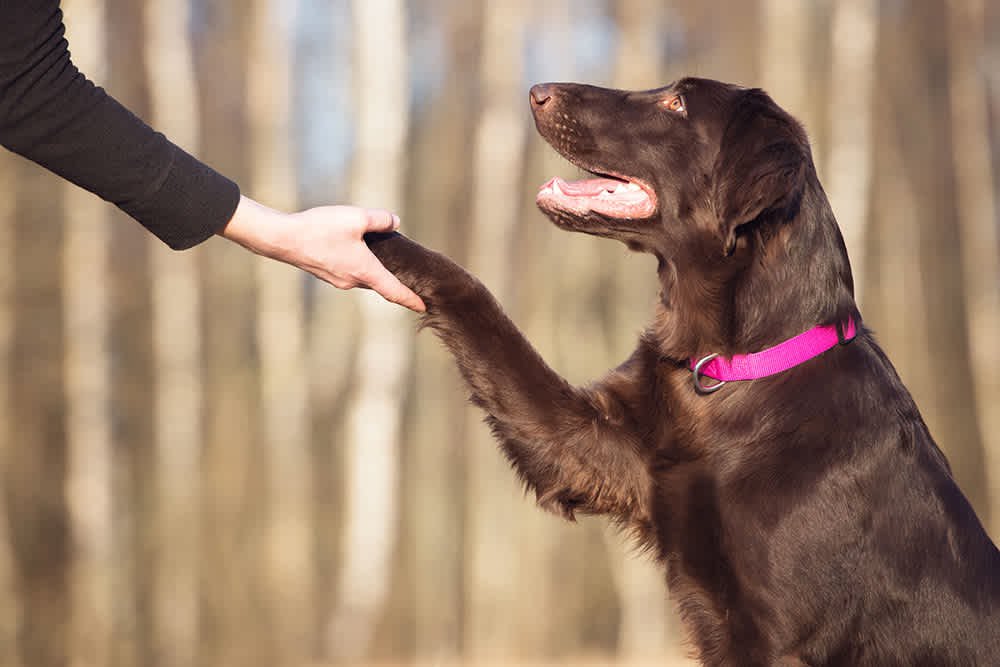
Best Dog Obedience Training: Training a dog can sometimes feel overwhelming, especially when you want the best results without adding stress to your daily routine. At Rob’s Dog Training, we understand how important it is for your dog to learn proper behavior while still keeping training enjoyable for both of you. Finding the right approach to dog obedience training can make a significant difference in your dog’s confidence, behavior, and your overall relationship with them.
When considering dog obedience training, it’s important to remember that consistency, patience, and understanding your dog’s personality are essential. Every dog is unique, and what works for one may not work for another. This guide is designed to help you navigate the world of dog training, offering insights and practical advice to help your dog develop good manners, follow commands, and strengthen the bond you share.
Understanding the Basics of Dog Obedience Training
Dog obedience training is not just about teaching your dog to sit, stay, or come when called. It is a comprehensive process that involves establishing clear communication between you and your dog, setting boundaries, and encouraging positive behaviors. Dogs are intelligent animals, and they respond best to training methods that are consistent, fair, and engaging.
Key Principles
- Consistency is Crucial
Dogs thrive on routine. Using the same commands, gestures, and rewards every time helps your dog understand what you expect. Inconsistent training can confuse your dog and slow progress. - Patience Makes a Difference
Learning new behaviors takes time. It’s important to stay calm and patient, even when progress seems slow. Short, frequent training sessions are often more effective than long, infrequent ones. - Positive Reinforcement Works Best
Rewarding good behavior with treats, praise, or playtime encourages dogs to repeat those behaviors. Avoid harsh punishments, as they can create fear and hinder learning. - Understanding Your Dog’s Personality
Some dogs are highly motivated by food, others by play, and some by affection. Observing what motivates your dog can help you tailor your training to be more effective.
Common Commands Every Dog Should Learn
While advanced training is available, every dog should master the basics for safety and better behavior. Some essential commands include:
- Sit – Helps your dog learn patience and prepares them for other commands.
- Stay – Ensures your dog remains in place until you release them, which is useful in public spaces.
- Come – Vital for safety, especially in off-leash situations.
- Leave it / Drop it – Protects your dog from ingesting harmful objects and teaches impulse control.
- Heel – Encourages your dog to walk calmly by your side, making walks more enjoyable.
Focusing on these foundational commands lays the groundwork for more advanced training later.
Creating a Productive Training Environment
The environment in which you train your dog significantly impacts their learning. A quiet, distraction-free space is ideal when starting out. As your dog becomes more comfortable with commands, gradually introduce mild distractions to help them learn to focus in different settings.
Tips for Effective Training Sessions
- Keep sessions short, ideally 10-15 minutes, to maintain your dog’s attention.
- End sessions on a positive note to leave your dog feeling motivated.
- Be consistent with rewards and commands to avoid confusing your dog.
- Use body language and tone effectively; dogs respond to both visual cues and voice commands.
Training at Home vs. Professional Classes
Both at-home training and professional classes have benefits. Training at home allows for flexibility and bonding with your dog, while professional classes provide guidance, structured lessons, and socialization opportunities.
Training at Home
- Can be tailored to your schedule and your dog’s specific needs.
- Encourages everyday practice, making learning a natural part of your dog’s routine.
- Provides one-on-one focus that ensures your dog understands each command clearly.
Professional Classes
- Offer structured guidance from experienced trainers.
- Introduce your dog to socialization with other dogs, which is crucial for behavior in public settings.
- Help address specific behavioral issues, such as aggression or anxiety, under professional supervision.
At Rob’s Dog Training, we offer support for both home training and professional guidance, ensuring your dog receives the care and attention they need to succeed.
Common Challenges in Dog Obedience Training
Even with patience and dedication, some challenges are common:
- Distraction Issues: Dogs may struggle to focus when new stimuli are present. Gradual exposure to distractions helps them learn to stay attentive.
- Inconsistent Responses: Dogs may respond differently to various family members. Ensuring everyone uses the same commands and methods prevents confusion.
- Behavioral Regression: Occasionally, a dog may revert to old habits. This is normal and often requires reviewing training techniques and reinforcing positive behavior.
Understanding these challenges and approaching them calmly ensures your dog continues to progress without stress.
Tools and Resources That Support Training
While training primarily relies on your interaction, some tools can support the process:
- Leashes and Harnesses: Help guide your dog during walking exercises.
- Clickers: Provide a consistent sound to mark correct behavior, reinforcing learning.
- Treats: High-value treats can be used as motivation during early stages of training.
- Training Guides and Apps: Offer step-by-step instructions and track progress, providing structure to your sessions.
Using these tools correctly enhances training effectiveness, but the core of success remains your consistency, patience, and understanding.
Socialization as Part of Obedience Training
Socialization is critical for dogs to develop proper behavior. Introducing your dog to different people, dogs, and environments helps prevent fear, aggression, and anxiety. Positive social experiences reinforce the behaviors you are teaching during obedience training, creating a well-rounded and confident dog.
Measuring Progress and Adjusting Methods
Monitoring your dog’s progress ensures that training remains effective. Keep track of which commands are consistently followed and identify areas needing extra focus. Adjusting training methods to suit your dog’s learning style is important. For instance, some dogs respond better to visual cues than verbal commands, and recognizing this helps tailor sessions to maximize results.
Maintaining Long-Term Behavior
Training doesn’t stop once your dog has mastered basic commands. Maintaining long-term behavior involves:
- Continuing regular practice sessions.
- Gradually increasing distractions and challenges.
- Reinforcing positive behaviors consistently.
- Staying patient and flexible with your dog’s pace.
This ongoing process strengthens your bond with your dog and ensures they remain obedient and confident throughout their life.
Conclusion
Finding the best dog obedience training involves understanding your dog, using consistent methods, and combining both home practice and professional guidance when needed. At Rob’s Dog Training (https://robsdogs.com/), our approach is designed to be effective, compassionate, and adaptable to each dog’s unique needs. By prioritizing patience, positive reinforcement, and structured learning, you and your dog can enjoy a fulfilling and rewarding training experience that builds trust, respect, and lifelong good behavior.