
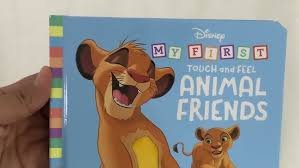
The moment I hand a child a book where the main character has fur, feathers, or scales, something shifts. The stiff attention typical of a new story softens, and a genuine, open curiosity takes over. For years, I watched this happen—the immediate, intense connection young readers form with animal protagonists. It’s a phenomenon that goes far deeper than simply thinking a little rabbit or a friendly fox is “cute.” We’re talking about a fundamental psychological mechanism that makes stories like Frog and Toad or Winnie-the-Pooh essential for shaping a child’s understanding of the world and their own emotions.
When a human character faces a complex problem, a young child might struggle to filter out all the human details: age, clothing, social standing. But an animal strips all that away. An animal character is a clean slate for emotion, presenting core human experiences—fear, friendship, curiosity, loss—in a package that is universally accessible. This isn’t just a literary device; it’s a brilliant shortcut to empathy and moral learning. It lets the child focus on the feeling and the lesson without the distraction of human complexity.
The Psychological Bridge: Why Animals Are Safe Mirrors
The most powerful reason animal characters resonate is what psychologists call “projective identification.” Essentially, a child can see their own feelings reflected in a non-human character without the pressure of admitting those feelings directly. If a child is scared of the dark, reading about Benny the Bear feeling nervous before hibernation is much easier to process than reading about a human child with the same fear. If you want to see a great example of an animal protagonist, check out the story about The Adventures of Benny the Bear and the Lost Treasure.
- Emotional Distance: Animals provide a safe emotional distance. The fear or sadness the character feels is real, but it’s happening to a bear, not the reader or someone who looks exactly like them. This distance allows for deep processing without becoming overwhelming.
- Simple Stakes: Animal stories often focus on simple, high-stakes problems—finding food, building a home, making a new friend. These clear narratives align perfectly with a child’s still-developing understanding of cause and effect, making the moral or lesson straightforward and sticky.
- Universal Archetypes: I’ve noticed that specific animals often embody universal qualities that we instantly recognize. A wise owl, a brave lion, a tricky fox. These aren’t just characters; they are emotional archetypes that make the character’s motivation and reaction instantly understandable, regardless of cultural background.
A Look at Core Emotional Connections
| Animal Archetype | Core Human Trait Represented | Example of Lesson Conveyed |
| Bear/Badger | Safety, Comfort, Gentle Strength | The value of patience and home. |
| Rabbit/Mouse | Anxiety, Curiosity, Resourcefulness | Overcoming fear of the unknown. |
| Fox/Wolf | Cunning, Loyalty, Independence | The importance of thinking ahead and being true to one’s nature. |
| Bird (Robin, Sparrow) | Freedom, Joy, Perseverance | The rewards of hard work and travel. |
The stories I’ve seen that stick with kids the longest are the ones where the animal doesn’t just act like a person in a costume, but where their animal nature informs the lesson. For example, a story about a caterpillar’s journey teaches transformation in a way that simply saying “change is good” never could. The physical reality of the animal makes the abstract concept concrete.
Empathy Training: Learning to See Beyond Yourself
One of the most crucial roles of animal protagonists is their power as empathy accelerators. When a child relates to an animal character, they are performing a complex mental exercise: imagining life from a fundamentally different perspective. This stretches their emotional muscles in ways human-centric stories often cannot.
I remember watching my own child read a book about a small, lost penguin. The story wasn’t about the physical journey home; it was about the penguin’s increasing loneliness and frustration. The absence of complex dialogue forced the reader to decode the penguin’s body language and simple actions to understand its despair.
- Understanding Non-Verbal Cues: Animals communicate primarily through action. This teaches young readers to pay attention to cues beyond just words—to notice when a tail droops, or a head is bowed. This translates directly into better social awareness when interacting with human peers.
- The Concept of Vulnerability: Most animal characters, especially the small ones, are inherently vulnerable. They rely on others, or their own cleverness, to survive. Witnessing this vulnerability and subsequent triumph teaches children that asking for help is a sign of strength, not weakness.
- Bridging the Species Gap: The ability to care about a fictional mouse or elephant lays the groundwork for caring about all living creatures, and by extension, all people, regardless of how different they might seem. It fosters a worldview that is less self-centered.
It’s about seeing the world through those big, innocent eyes. The worries of a squirrel preparing for winter are, on a smaller scale, the same worries a parent has for their family. By experiencing that relatable worry through a squirrel, the child is practicing empathy for a universal concept of caregiving.
The Long Tradition: Why Animals Rule Children’s Literature
The presence of animals in children’s stories is not a recent marketing trend; it’s one of the oldest traditions in literature. From Aesop’s Fables to Beatrix Potter, writers have understood that animals are powerful narrative tools for conveying complex morals and cultural wisdom.
The tradition works because animals occupy a unique space in a child’s imagination. They are simultaneously familiar and fantastical. A child knows what a dog is, but a talking, crime-solving dog is a blend of reality and magic that is irresistible. This blending allows the author to stretch the boundaries of reality just enough to make a point, but not so much that the story loses its anchor in the real world. For more great stories and content for young readers, you can visit Bahrku’s homepage.
My Experience with Animal-Led Storytelling
I once ran a small book club for early readers, and the contrast between their reactions to two types of stories was telling.
- Story A (Human Child Protagonist): A story about a boy who moves to a new town and is nervous about making friends.
- Story B (Animal Protagonist): A story about a nervous hedgehog who must cross a busy path to deliver a message to his grandmother.
In Story A, the children spent time commenting on the boy’s clothes or the look of the new town. The focus was on the external details. In Story B, the discussion immediately centered on the hedgehog’s feelings: “He’s scared he’ll get run over!” “He should wait for the big truck to pass!” The dialogue was all about problem-solving and emotion, showing how the animal character allowed them to immediately bypass superficial details and dive into the core emotional conflict.
| Literary Tradition | Key Animal Role/Function | Famous Example |
| Fables (Aesop) | Moral Teachers, Personifications of Vice/Virtue | The Ant and the Grasshopper |
| Early Picture Books (Potter) | Characters in a domestic, relatable micro-world | Peter Rabbit |
| Modern Fantasy/Adventure | Loyal Companions, Guides, Mythic Helpers | Aslan (The Lion, the Witch, and the Wardrobe) |
The genius of using animals is that they embody human flaws and virtues without judgment. The Fox in a fable might be greedy, but it’s acceptable because, well, he’s a fox. This allows the child to critique the behavior without feeling like they are personally judging a human being, making the moral lesson stick without shame.
Troubleshooting the “Too Human” Animal
While the psychological advantages of animal characters are clear, not all animal characters are equally effective. I’ve found that the best stories manage to balance the animal’s nature with their personification.
The moment an animal becomes a “furry human”—only wearing clothes, speaking modern slang, and doing purely human activities with no acknowledgment of their animal form—the magic starts to fade. The disconnect is too jarring, and the character loses its universal appeal.
Maintaining the Balance: Animal vs. Human Traits
To really harness the power of the animal protagonist, the author must remember that the character’s animal traits should drive the plot or their personality.
- A bear who loves honey and is fiercely protective of his friends (Winnie-the-Pooh) works because his natural impulses (hunger, hibernation) ground his emotional life.
- A mouse who is a skilled sailor or tailor (The Rescuers) works because the physical limitations of being a mouse make the achievement more heroic.
| Pitfall (Weak Characterization) | Effective Use (Strong Characterization) | Why it Matters |
| A dog that only sits on the couch and watches TV. | A dog whose powerful sense of smell helps him find a lost object. | The animal’s biology must be relevant to their character arc. |
| A cat that gossips about neighbors over the phone. | A cat that is independent, values quiet, and hunts for its own food. | Maintains the necessary “wildness” that appeals to imagination. |
| A generic, nameless creature that is just a plot device. | A creature with a distinct name, recognizable habitat, and specific fears/joys. | Individuality is key to forming a genuine emotional bond. |
The stories that fail are often those where the animal character could easily be replaced by a human child without changing the story at all. The ones that succeed are the stories where being an animal is essential to the character’s identity and their journey.
Frequently Asked Questions About Animal Protagonists
How do animal characters teach children about death or loss?
Animal characters often face natural cycles like hibernation, migration, or simply the vulnerability of the wild, which can be gentle ways to introduce concepts of change and loss. When a small bird flies away or a hedgehog goes to sleep for the winter, it offers a way to discuss absence and the passage of time without the immediate, heavy weight of human tragedy. It allows children to process these big feelings at a distance.
Are books with talking animals better than books with real animals?
They serve different purposes. Talking animals are brilliant for empathy, moral lessons, and understanding social dynamics because they can articulate complex thoughts. Books about real animals (nature books) are crucial for knowledge, respect for the natural world, and a sense of wonder. Both types are vital for a balanced reader, but the talking animal often creates the strongest immediate emotional bond.
At what age do children typically outgrow the appeal of animal characters?
The intensity of the connection usually peaks in early childhood (ages 3-8). However, the appeal rarely disappears entirely. As children mature, the animal characters shift from being pure mirrors for emotion to becoming mythic guides or companions in more complex fantasy and adventure stories. Think of the transition from Clifford the Big Red Dog to the dragons of How to Train Your Dragon—the bond remains, but the context deepens.
Why do some people say reading about animals delays a child’s social development?
This is a misunderstanding. The argument is that focusing only on non-human characters might hinder the understanding of human social cues. However, research and practical experience show the opposite. Because the emotions in animal stories are so clearly drawn (fear, loyalty, excitement), they actually provide a safe and simple template for understanding social and emotional vocabulary, which a child then applies to their human interactions.
Final Thoughts: The Unbreakable Bond
The love affair between young readers and animal protagonists is a profound psychological and literary truth. It’s an efficient, elegant way to teach the biggest lessons about life. By giving a child a character that is intrinsically vulnerable, inherently good, and often comically flawed, we are giving them an accessible mirror for their own internal life and a safe space to practice empathy.
I am convinced that the books with a little mouse, a brave wolf, or a grumpy toad are the ones that plant the deepest seeds of understanding and kindness. They are the friends who teach us the value of loyalty and the discomfort of fear, all while reminding us that even the smallest creature in the world can have the biggest, most important story to tell. That initial, open curiosity is the first step toward a lifelong capacity for compassion.