
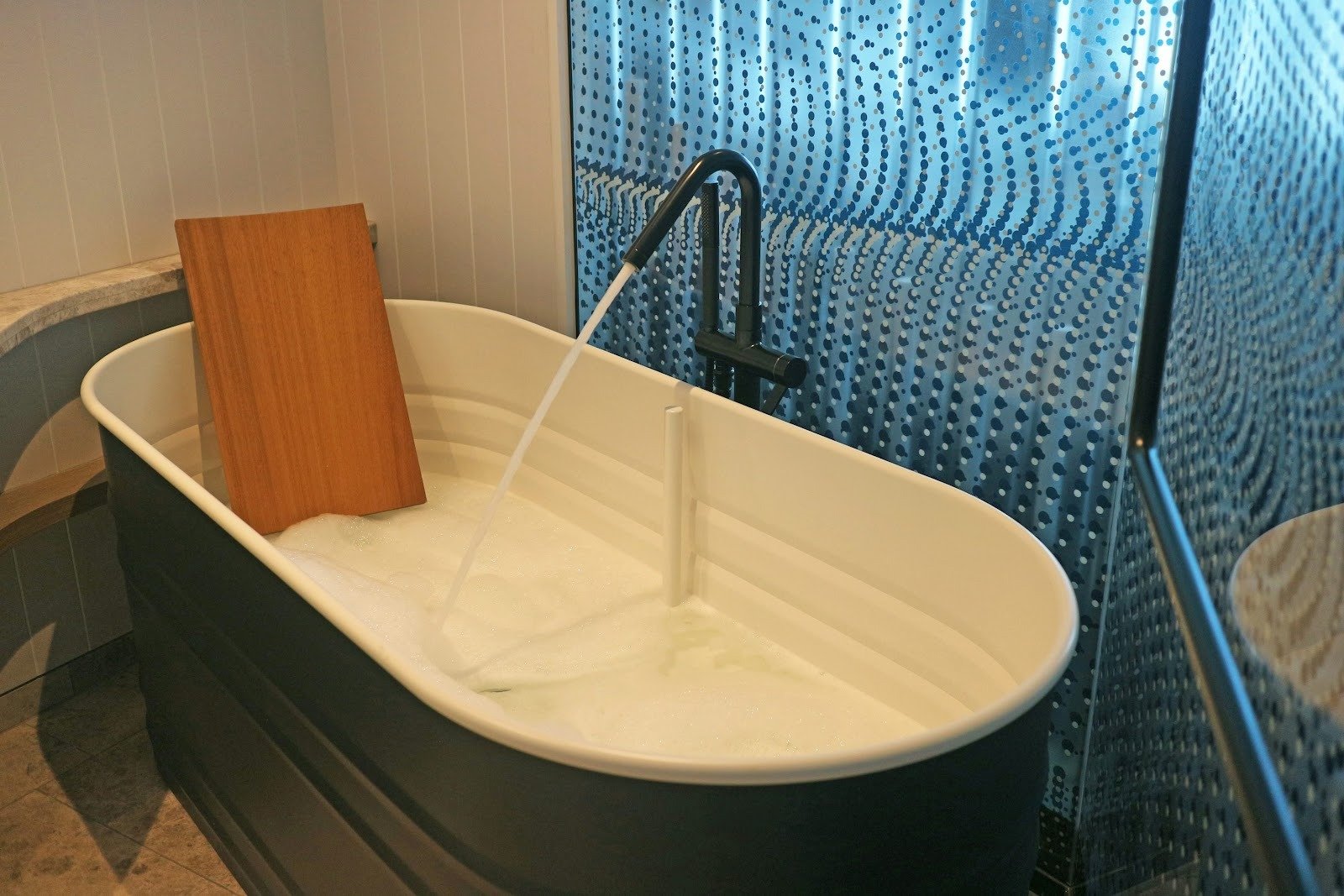
A bathroom renovation can significantly improve both the functionality and appearance of your home. One of the most popular upgrades homeowners choose today is a tub to shower conversion, which replaces a traditional bathtub with a modern, spacious shower. This transformation not only enhances comfort but also improves accessibility and style. However, choosing the right design requires careful planning to ensure the new shower fits your needs, lifestyle, and bathroom layout.
1. Consider Your Bathroom Space
The first step in planning a successful tub to shower conversion is evaluating the available bathroom space. Some bathrooms have limited room, so selecting a compact yet functional shower design is important.
Measure the area where the bathtub is currently located and consider how much space the new shower enclosure will require. Homeowners with smaller bathrooms may prefer a simple walk-in shower design, while larger bathrooms can accommodate more spacious layouts with additional features like seating or built-in shelving.
2. Choose the Right Shower Style
There are several shower styles to consider when designing your tub to shower conversion. Walk-in showers are a popular option because they offer easy access and a sleek modern appearance.
Frameless glass enclosures create an open and elegant look, making the bathroom feel larger and brighter. Alternatively, sliding glass doors or partially enclosed showers may be better suited for bathrooms with limited space.
3. Select Durable and Attractive Materials
Materials play a key role in the durability and appearance of your shower. During a tub to shower conversion, many homeowners choose materials such as ceramic tiles, acrylic panels, or natural stone.
Tiles offer a wide range of colors and patterns, allowing you to customize the design according to your taste. Acrylic panels are low-maintenance and easy to clean, making them ideal for busy households.
4. Think About Accessibility and Safety
Safety is an important consideration, especially for older adults or individuals with mobility challenges. A well-designed tub to shower conversion can improve accessibility by removing the need to step over a high bathtub edge.
Features such as non-slip flooring, grab bars, built-in seating, and handheld showerheads can make the shower safer and more comfortable to use.
5. Add Functional Features and Storage
Modern showers offer a variety of features that enhance convenience and comfort. When planning your tub to shower conversion, consider adding built-in shelves, recessed niches, or corner storage units to keep toiletries organized.
Adjustable showerheads, rainfall shower systems, and temperature control valves can further improve the showering experience. These functional additions not only improve daily use but also increase the overall value of your bathroom renovation.
Conclusion
Choosing the right design for a tub to shower conversion involves balancing style, functionality, and safety. By considering the available space, selecting an appropriate shower style, choosing durable materials, prioritizing accessibility, and adding practical features, homeowners can create a shower that meets both aesthetic and practical needs. A thoughtfully designed conversion not only enhances the comfort of your bathroom but also adds long-term value and convenience to your home.