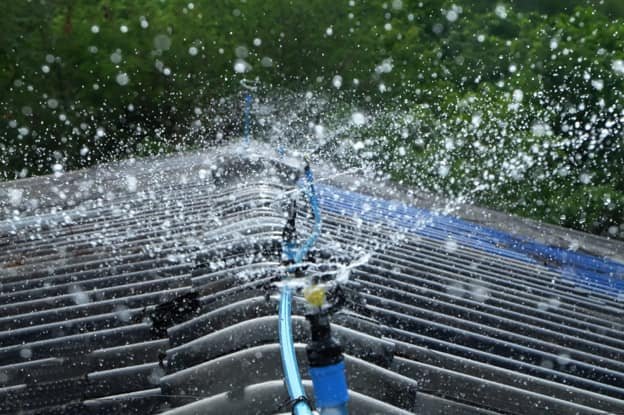
Roof Sprinklers for Fire Protection : A facilities manager once said the fire that scared him most wasn’t the one everyone saw; it was the one nobody noticed for twenty minutes. That gap, between ignition and someone actually spotting smoke, is exactly what roof sprinklers for fire protection are built to close. Nobody thinks about roof voids until something’s already smouldering up there, quietly, well out of sight of anyone below. The strange part is how often the danger sits precisely where nobody’s looking, in spaces built to be forgotten. Building owners who’ve lived through a roof fire talk about protection very differently afterwards.
The Fire That Started in the One Place Nobody Checks
A warehouse fire once began in roof insulation, smouldering for the better part of an hour before anyone downstairs smelled anything odd. Staff below carried on as normal, completely unaware anything was wrong until smoke finally started drifting through the ceiling vents. By the time alarms triggered, the fire had already weakened a significant section of the roofing structure considerably. A roof-level suppression system, installed after that incident, caught a similar ignition source within minutes during a later inspection test. The facilities manager mentioned afterwards that ground-floor alarms alone would never have caught it early enough that first time. Fires don’t announce themselves from the safest, most visible place; they tend to start exactly where nobody’s watching.
The Building That Survived the Fire but Not the Assessment
A commercial property owner assumed his building had come through a small roof fire relatively unscathed, given how quickly it was extinguished. The structural assessment afterwards told a different story, with heat-damaged beams nobody could see from ground level. Repair costs and disruption from that assessment far exceeded what the visible fire damage alone had suggested initially. A neighbouring building with roof-level cooling systems installed came through a similar incident with considerably less structural concern reported. That comparison changed how the first owner thought about protection, treating structural cooling as separate from simply putting flames out. Extinguishing a fire and protecting the building’s actual bones turned out to be two different problems entirely.
The Evacuation That Went Smoothly Because of What Was Overhead
A tenant in a mixed-use building described feeling genuinely calm during a fire drill, specifically because staff had explained the roof-level protection beforehand. Knowing suppression existed above the ceiling, not just visible sprinklers in the room itself, changed how seriously people took the drill. During an actual incident months later, that calm translated into an orderly evacuation rather than panicked scrambling towards exits. The building manager credited part of that calm to tenants trusting the building’s overall protection, not just what they could see directly. That trust, built through comprehensive coverage rather than visible-only systems, mattered more than anyone had initially expected.
The Insurance Renewal That Nearly Fell Through
A property owner nearly lost favourable insurance terms after an assessor flagged a significant gap in roof-level fire coverage during a routine review. The renewal process, usually straightforward, suddenly involved awkward conversations about risk exposure nobody had previously raised as a concern. Installing proper roof protection resolved the issue, and the following year’s renewal proceeded without a single difficult question raised. The owner mentioned feeling slightly blindsided initially, having assumed standard internal sprinklers covered every reasonable expectation an insurer might have. That assumption cost him a stressful few weeks negotiating terms that proper protection would have avoided entirely from the start.
The Tenant Who Nearly Left After the Fire
A retail tenant seriously considered relocating after a fire damaged a neighbouring unit, worried the building’s protection simply wasn’t adequate going forward. The landlord’s decision to invest in comprehensive roof-level suppression afterwards became the deciding factor in that tenant choosing to stay put. Word travelled among other tenants too, with several mentioning the upgrade specifically when discussing why they felt comfortable renewing their leases. The landlord hadn’t anticipated fire protection becoming a genuine selling point, assuming tenants cared mostly about location and rent. That assumption shifted considerably once he realised safety confidence directly affected tenant retention across the building.
Conclusion
Fire risk rarely sits where it’s easiest to spot, which is precisely why so many buildings get caught out unexpectedly. Installing proper roof sprinklers for fire protection covers exactly the blind spots that standard, ground-level systems simply cannot reach. From structural protection to tenant trust, the difference shows up in outcomes rather than anything visible during ordinary, uneventful days. It’s rarely dramatic, more a quiet confidence that the areas nobody checks are still genuinely being watched. Building owners who’ve invested properly describe fewer nasty surprises, whether during inspections, renewals, or actual incidents themselves. That protection, quietly working overhead, is usually what people appreciate most only once something’s actually gone wrong.