
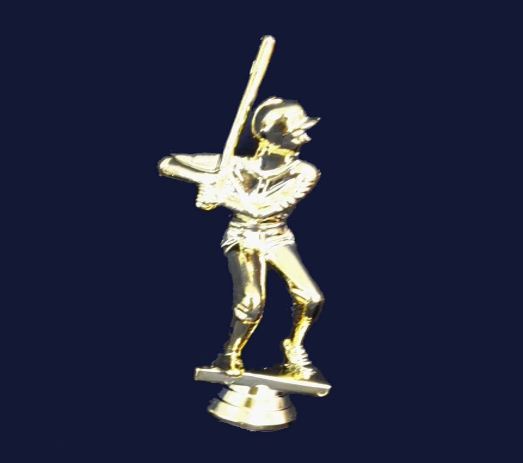
Rugby figurines : Most people think figurines are just trinkets. They’re wrong. Collectors know something most fans miss these pieces tell you exactly which players mattered and which moments actually stuck around. Look at what gets sculpted, and you’re looking at rugby’s real cultural DNA. Some legendary players? Never modelled. Obscure positions? They get intricate detail work. It’s odd when you think about it. Rugby figurines function like cultural thermometers, measuring what different generations actually valued beneath the surface.
Why Certain Players Become Collectible Icons
There’s no clear pattern. That’s what makes it interesting. Some players get figurines because they changed how a position worked. Others because they looked distinctive. Rugby figurines : Great players sometimes never appear at all because their era wasn’t commercially interesting or nobody documented them properly. The gaps in collections reveal something fascinating. Collectors actively seek out sculptors for custom commissions, essentially deciding which players deserve immortalization themselves. When a favorite player has no figurine, collectors make it happen. That’s worth paying attention to.
The Technical Challenge Nobody Discusses
Rugby players don’t stand still. Sculptors need to understand something most people ignore how weight moves through a player’s body during actual play. A scrum-half mid-pass creates specific shoulder rotation. Rugby figurines : Get it wrong and the figurine looks stiff. Get it right and it feels like movement frozen in time. Professionals study match footage obsessively. Frame by frame. They examine stances, weight distribution, and muscle tension. Some figurines fail commercially because they look awkward. Not because they’re poorly made, but because they read as unnatural to anyone who actually watches rugby. The successful pieces feel alive somehow. That’s why certain manufacturers thrive while others disappear, regardless of material quality.
The Unexpected Secondary Market
Value patterns make no sense initially. Limited editions stay cheap for years. Old mass-produced figurines suddenly spike. It happens when players retire. That’s the turning point. Contemporary merchandise transforms into a historical artefact overnight. Collectors from particular eras suddenly want pieces from their youth. They’re chasing nostalgia. Meanwhile, figurines of players who fall from favor sit unwanted. This creates real moral tensions. Rugby figurines : Should you display a figurine of someone you admired who later disappointed you? These aren’t easy questions for serious collectors.
Display Authenticity Versus Preservation
Here’s a dilemma most casual collectors never face. Displaying figurines risks damage. Sunlight fades them. Temperature changes affect materials. Keeping them boxed defeats the entire purpose, though. Some collectors photograph everything and store originals in controlled environments, essentially collecting photos instead of objects. Others accept deterioration as the price of appreciation. Two completely different philosophies. One treats figurines as investment vehicles requiring protection. The other treats them as pieces meant to be enjoyed. Rugby figurines : Both approaches are valid. Both reveal something about what collecting means.
Why Authenticity Gets Complicated
The market contains genuine figurines, licensed reproductions, and counterfeits existing side by side. Experienced collectors spot counterfeits through weight and texture. Manufacturers themselves create confusion by releasing subtle variations officially. Some “reproductions” are legitimately licensed and technically authentic. New collectors buy expensive variants thinking they’ve found rare originals. They haven’t. They’ve purchased legitimately produced differences worth considerably less. Standardized authentication doesn’t exist. Deception thrives in that gap. Rugby figurines : Collectors eventually develop expertise about specific artisans and production runs. It takes research. Lots of it.
Conclusion
Rugby figurines offer something deeper than fandom suggests. They capture moments that photographs miss entirely athletes suspended at their absolute peak. Collecting figurines isn’t about ownership. It’s about documenting rugby’s evolution through three-dimensional storytelling. Real collectors engage with details that casual fans never see. They understand nuances. They recognize when something’s authentic. They know why gaps exist in collections and what those gaps mean. That’s what separates casual interest from genuine appreciation.