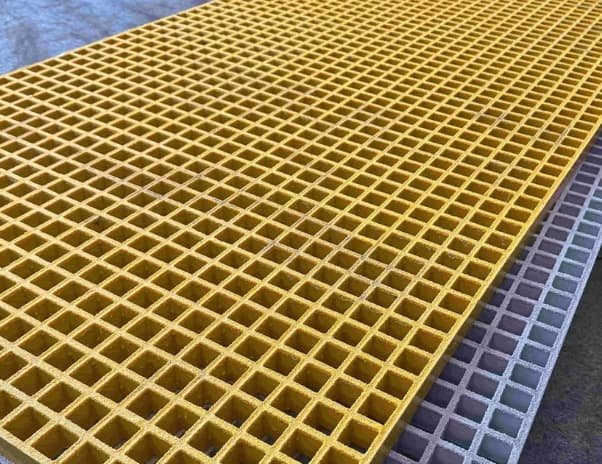
A walkway or platform surface made by crisscrossing metal bars, forming a grid pattern with open spaces present in between, this is what can be described as open mesh flooring. Mostly in industrial, commercial and outdoor settings, this flooring is used, because through it air, light, water and debris can pass easily, and at same time heavy foot traffic along with equipment load gets supported well. For its strength, good ventilation and slip resistant nature, many industries give value to this flooring type, and because of this reason, it turns into a practical choice for walkways, platforms, stairs and drainage areas.
What Makes This Flooring Different From Solid Surfaces
When compared with solid flooring panels, in this surface the gaps between load bearing bars are left on purpose during construction. Several purposes get served by these gaps.
- Instead of sitting on top, water, dust and small particles fall through
- Compared to solid metal sheets, overall weight becomes less
- Light and airflow, both can pass through in better way
- In outdoor or elevated structures, the wind resistance remains on lower side
Since these gaps are present, inside the flooring moisture does not get trapped, and because of this, chances of corrosion or slippery build up on surface reduce as time goes by.
How Is This Type of Flooring Constructed
At right angles to each other, two sets of bars get welded or pressed together, and this is how the grid takes its shape. One set of these, called bearing bars, in single direction it runs, and most of the structural load gets carried by it. Perpendicular direction is followed by the other set, cross bars, and this locks whole structure together, adding rigidity so that bearing bars do not twist or bend so easily.
For this construction, materials commonly used include following:
- Carbon steel, for its strength and low cost it is known
- Stainless steel, mostly this gets chosen when resistance to corrosion is needed
- Aluminum, because lightweight yet durable nature, this is valued
According to how much weight has to be borne by surface, and what kind of traffic will be passing over it, spacing between bars and also thickness gets adjusted in same manner.
Where Is This Flooring Typically Used
In places where drainage, ventilation and load capacity, all these matter together, commonly this flooring gets found.
- Catwalks and walkways inside industrial plants
- Crossings for pedestrians and bridge decks
- Trench systems along with drainage covers
- Around machinery, platforms that get built
- Mezzanine floors and parking structures
- Outdoor stair treads which face snow or rain
Because heavy loads can be handled by it while water pooling gets stopped, in many facilities this flooring is preferred where durability and safety matter most.
Why Does the Open Pattern Improve Safety
Why a surface having gaps in it would be considered more safe than one which is solid, this question many people often ask. Mostly in traction and drainage capability, the reason for this lies. Water, oil or debris, which normally on flat surface would sit, instead through openings it falls, so chances of slipping become less. In many of the designs, for extra grip, a textured or serrated pattern also gets added on bearing bars, and this becomes useful specially in wet or industrial environments where footing that is stable becomes necessary.
How Long Does This Type of Flooring Last
Mostly on which material is used and in what kind of environment installation happens, the lifespan depends. Better resistance to rust is shown by stainless steel versions usually, and even in corrosive or humid conditions, longer they last. Though strong, carbon steel versions generally need coating that is protective, such as galvanization, so rusting over time can be prevented. When properly material selection is done, along with maintenance done occasionally, for several decades this flooring can remain structurally strong and functional, even when heavy use continues.
Is This Flooring Suitable for Outdoor Installations
Yes, quite well this flooring performs outdoors, mainly because on top of it, ice, snow or rainwater does not get allowed to accumulate, due to open design. Because of this, risk of icy condition turning into hazard for slipping becomes less, and this is common problem which gets faced with solid flooring in colder climates. Also, through the gaps when airflow passes, quicker drying of surface after rain gets helped, and this keeps it more safe for people who walk continuously.
Final Thoughts
Across industries where strong, well ventilated and low maintenance walking surfaces are needed, as practical and reliable solution, open mesh flooring keeps on proving itself. While heavy loads get supported by its open grid design, at same time water, air and debris are allowed to pass freely through it, and because of this, hazards that come from poor drainage or moisture buildup get reduced. Whether outdoors or indoors it gets installed, dependable balance of durability, safety and functionality is provided by this flooring, and this is reason why in industrial and commercial construction projects, it remains choice that is long standing.