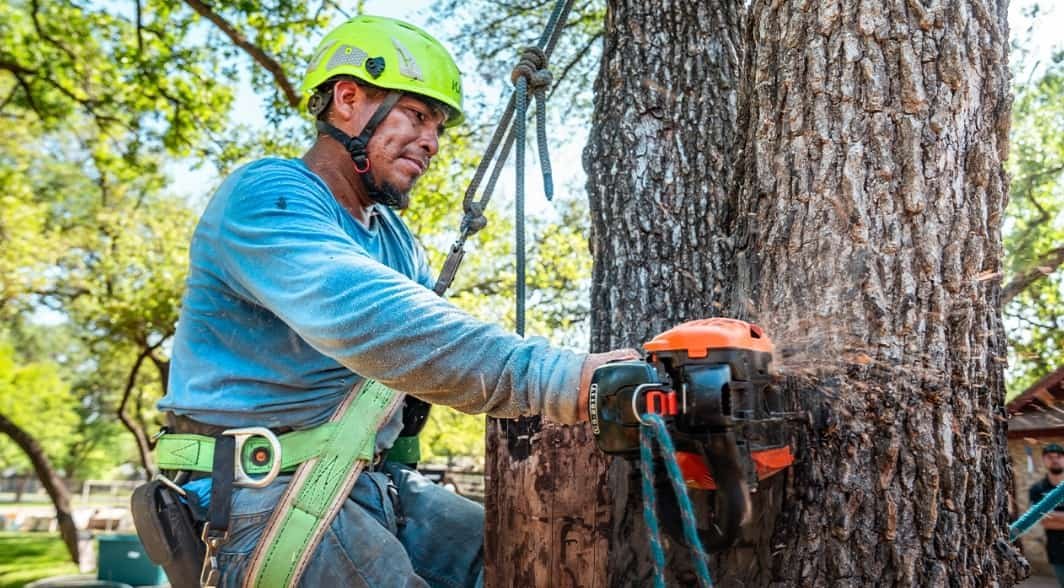
Tree Cutting: Warm weather and heavy rainfall across this region push trees into fast, sometimes uncontrolled growth, and this often ends up threatening homes, footpaths and power lines when storms hit or roots start expanding underground. Because of such risks, tree cutting Gold Coast services stay in constant demand among property owners looking to protect their land. Knowing when and why trees should be cut becomes essential for keeping properties both safe and healthy over time. In this guide, main aspects of tree removal are broken down, along with the reasons behind it and what the process generally involves.
Table of Contents
Why Is Tree Cutting Necessary in Gold Coast Properties?
Due to warm weather and heavy rainfall, trees in coastal and suburban areas of the Gold Coast tend to grow at a faster pace. With time, several problems can come out of this growth:
- Branches that hang over and create risk during storms
- Roots that interfere with foundations, pipes or driveways
- Limbs that are diseased or dead and may fall without warning
- Canopies that grow too crowded, blocking sunlight or airflow
By cutting trees at the correct time, property damage can be avoided and outdoor spaces stay functional as well as balanced in appearance.
When Should Trees Be Removed on the Gold Coast?
In tree management, timing plays a role that is quite important. Usually, trees get cut or removed once signs of decay appear, or when they lean in a dangerous way, or after storm damage, which happens frequently in this region during wet season. Pests get attracted to dead trees, and structural instability can follow too, so removing them early is a safer choice than waiting until they collapse completely. Before storm season arrives, seasonal pruning is also something that gets recommended, as it lowers the chance of branches failing.
How Is Tree Cutting Carried Out Safely?
More than just chopping a trunk down is involved in tree cutting. To ensure safety along with minimal disruption to property, a structured process is generally followed:
- Health of the tree, along with its size and surrounding structures, is checked through a site assessment
- For larger trees, planning is done for the direction of fall or for sectional removal
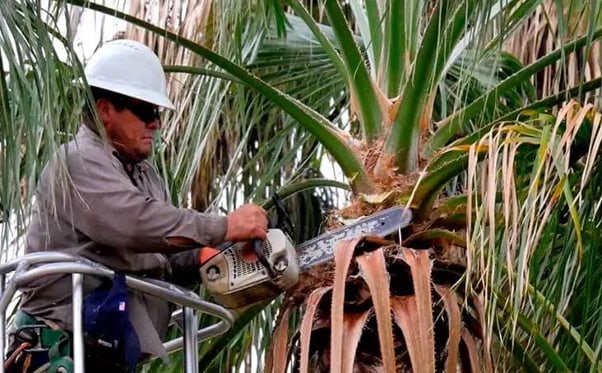
- Depending on tree height and position, proper equipment gets used, such as chainsaws, cranes or rigging systems
- Debris, along with branches and trunks, gets cleared and disposed of
- Based on what the property owner prefers, stump grinding or removal follows
When trees are located near power lines, buildings or in narrow spaces, sectional dismantling gets chosen instead of a single controlled fall.
What Regulations Apply to Tree Removal in Gold Coast?
Tree removal, mainly for significant or protected trees, often falls under local council regulations. Depending on species, size and location of the tree, permits may become necessary, especially when the tree falls under a protected vegetation category. Before major tree work starts, it helps a lot to check guidelines from local council, so fines can be avoided and the process stays within environmental protection rules.
Is Professional Tree Cutting Different From DIY Removal?
Without proper training, removing a tree brings considerable risk along with it. Because of falling branches, unstable trunks and closeness to power lines, this task turns hazardous quite easily. To control how a tree falls and lower chances of injury or damage to property, trained arborists rely on specialized equipment and techniques. Soil conditions, lean of the tree and internal decay also get assessed by them, things that are hard to notice from outside without proper experience.
What Happens to the Tree After It Is Cut?
After a tree gets removed, the branches and wood usually go through one of these processes:
- Turned into mulch for garden use
- Cut down into firewood
- Chipped and used again for landscaping
- Taken away completely from the site for disposal
Often treated as a separate step, stump removal involves grinding the stump below ground level, which stops regrowth and allows replanting or landscaping later on.
How Does Tree Cutting Affect Local Ecosystems?
Local wildlife, mainly birds and insects that depend on trees for shelter, can get affected when trees are removed. To maintain biodiversity in the area, replanting of native species after removal is a practice that is commonly followed. When only a part of the tree creates risk, selective pruning gets recommended instead of full removal, since this helps preserve mature trees while safety concerns still get addressed.
Final Thoughts
Depending on factors like the health of the tree, its location, council regulations and seasonal weather risks, requirements for tree cutting in the Gold Coast can vary. Whether overgrown branches need pruning or a hazardous tree needs complete removal, understanding the process allows property owners to make decisions that are well informed. Through proper planning, safety measures and awareness of local rules, tree removal can be handled in an efficient way while protecting both the property and the environment around it.