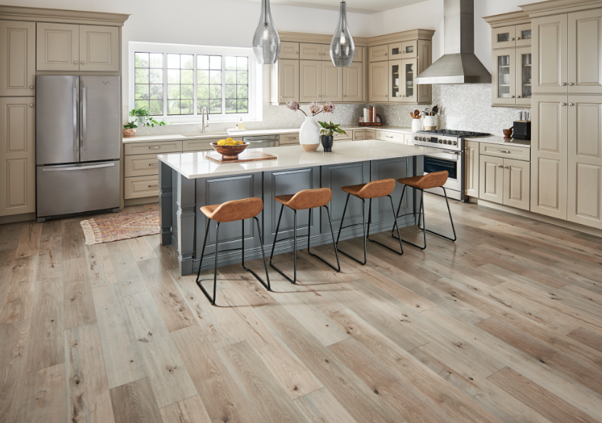
Across many homes and offices of the country, one choice that most people go for nowadays is laminate flooring South Africa, since it brings together durability, affordability and style, something natural wood or tile cannot always offer together. Made with such technique, this flooring can face different climate conditions present in South African homes, from humidity near coast till heat found inland, all while keeping the look of real timber or stone still there. Because of such quality, families, renters and property owners who wish for floor lasting a long time, without giving that heavy amount solid wood demands, often lean towards it.
What Laminate Flooring Is Made Of
It is wrong to think laminate flooring comes from single layer only, actually many layers get pressed together under high pressure to form it. Strength and stability of plank mainly comes from core layer, and this is usually built using high density fibreboard. Above this core, decorative layer gets printed, whose work is copying pattern of wood grain, stone, or tile look. After that, protective wear layer takes its place on top, so scratches, stains and wear happening daily cannot harm floor easily. And right at bottom, backing layer sits, which does two job together, balancing plank and also keeping moisture from below away.
Why It Suits South African Homes
Temperature and humidity in South Africa change quite a lot, this depending on which region gets talked about, so laminate flooring has been built keeping this in mind, handling such shifts far better than what solid hardwood manages, since hardwood often expands or shrinks when moisture changes. Talking about coastal cities, where humidity usually stays higher, laminate there does not warp so fast, though only if fitting has happened correctly. Meanwhile, inland regions being drier, laminate here too avoids cracking problem, something natural wood floor commonly suffers from.
Durability and Everyday Performance
Big reason behind homeowners choosing this flooring lies in how it resists wear that happens every day. Because protective layer stays on top, scuffs coming from people walking around, furniture shifting position, or pets scratching, none of these damage surface too much. If spilling happens, wiping it off before soaking into surface becomes possible most of time, so staining gets avoided this way. Comparing with carpet now, this flooring keeps no dust, allergen or bad smell trapped inside, making it cleaner option, mainly for house where kids live or people facing allergy trouble stay.
How It Is Installed
Click lock system is what most laminate planks come designed with, allowing pieces to interlock without any glue or nail being needed. Floating floor, this method gets called, meaning flooring stays not attached directly onto subfloor, so expanding or contracting naturally becomes possible for it. Before planks get placed down, underlay usually goes first, helping reduce noise, giving cushioning, and working somewhat like barrier against moisture too. Concrete, tile or wood, whichever subfloor it may be, this flooring can sit on top, as long as surface stays level and clean before starting work.
Maintenance Requirements
Caring for laminate flooring, in truth, does not involve much complication. Regular sweeping or vacuuming takes away dust and small grit that could otherwise scratch surface over time. When mopping happens, keeping it only slightly damp works better than soaking floor fully with water, this way core layer inside stays away from damage risk. Harsh chemical cleaner too is not something required most time, since mild cleaning solution alone manages to keep shine and cleanliness in place.
Common Questions About Laminate Flooring
Is laminate flooring waterproof?
Standard form of laminate flooring stays water resistant, not something fully waterproof though. Light spill or quick clean up gets handled without trouble, but if water remains standing long time, seams may start swelling. Newer variants exist too, coming with enhanced water resistant core, suiting kitchen or bathroom area more.
How long does laminate flooring last?
Given proper care, laminate flooring manages to last somewhere between fifteen till twenty five years. This number depends mostly on quality of wear layer, how much foot traffic area faces, and how well moisture stays controlled in that space.
Can laminate flooring be installed over existing tiles?
Yes, in most case laminate goes directly above existing tile flooring, provided surface remains flat, stable, without major crack present. This way, renovation time and cost both can get saved, since removing old flooring first does not always become necessary.
Does laminate flooring fade in sunlight?
If flooring stays under direct sunlight continuously for many years, fading can start happening slowly, similar to what other flooring material also faces. Curtain, blind, or UV protective film on window, using these can help original colour stay longer.
Is laminate flooring suitable for high traffic areas?
Yes, and this exact reason makes hallway, living room and even commercial space use laminate so commonly, since scratch resistant surface handles constant movement well, without much wear showing up.
Final Thoughts
Coming to choosing laminate flooring South Africa homeowners can trust, it mostly depends on how well material performance gets understood under local condition, how correctly installation happens, and what maintenance gets demanded as time passes. With mix it brings of durability, affordability and design variety, this flooring keeps staying practical solution for many different living space found throughout country.