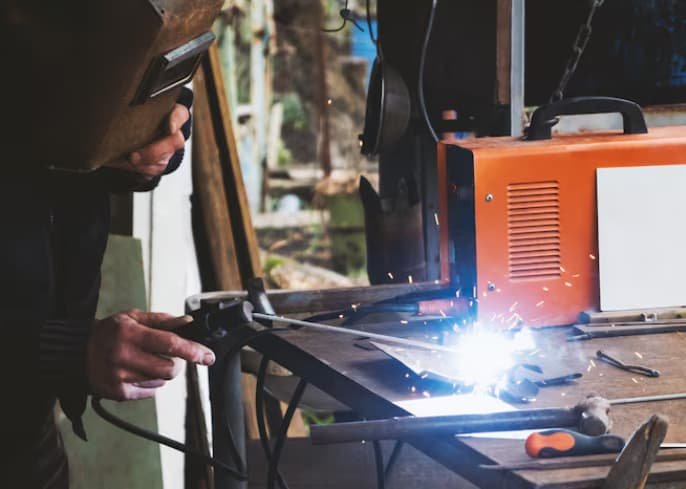
Welder: Buying welding equipment for any fabrication shop, independent contractor, or small business is a major investment. Another way to do it is by purchasing new machinery, but many people opt for used machines as an alternative to minimize costs without compromising on performance.
The essential thing is to be able to assess the quality before buying. With the right knowledge and questions to ask, you can be sure to make informed decisions when purchasing used welder equipment that provides long-lasting value and reliable performance.
Table of Contents
Understand Your Welding Requirements
Determine the specific machine requirements before comparing machines. Take into account the type of metal you will be welding, the thickness, the most common welding process you will be using, and how often the equipment will be used.
Heavier industrial production can be difficult for a machine that is used for occasional repairs. Opting for equipment that is suitable for the level of work increases efficiency. Purchasing the correct machine helps avoid waste of money.
Check the Overall Condition
When purchasing used equipment, a detailed inspection is very important. Check for wear, rust, frayed cables, broken housings, and shoddy repair work. Though cosmetic scratches are not uncommon, structural damage or electrical problems could be a sign of a more serious problem.
Whenever possible, test the machine before purchasing. Quality used welder equipment will run smoothly and without any odd sounds.
Equipment Valuation Matters
When you know the value of equipment, you can better assess if the asking price is a fair value for the machine and condition. Value is affected by a variety of factors including age, hours of operation, brand reputation, maintenance history, accessories included, and much more.
You can use a comparison with similar models to find out if you’re getting a good deal and if you’re paying too much. Accurate equipment valuation leads to better buying decisions. This also helps predict the future resale value.
Review Maintenance and Service History
Well-maintained equipment tends to be more reliable in the long term. Inquire if maintenance records, repair documentation, or service logs exist. Machines that are regularly serviced are likely to be a safer bet than those with an unknown maintenance history. Regular upkeep typically indicates good ownership.
Consider Parts and Manufacturer Support
Availability of replacement parts is an important consideration. When buying used welder equipment, ensure that replacement parts, consumables, and technical assistance are easily available. Well-known brands are more likely to be easy to maintain in the long term.
Namely accessible parts minimize downtime. With long-term support, the value of your investment can go up.
Buy From a Trusted Seller
The brand where one buys equipment is just as important as what they buy. A good dealer will examine the equipment, test it, and provide a thorough description of its condition before placing it on the market.
They might also have some warranties or support after the purchase process, which are not offered by the private seller. The risk of purchase is reduced when working with experienced sellers. More reliable suppliers give more peace of mind.