
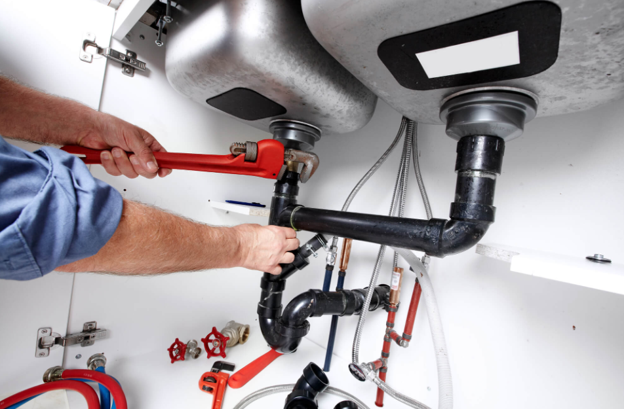
Nobody really thinks about their plumbing until water goes somewhere it should not. That moment tends to arrive without warning and the damage it leaves behind rarely stays small. What most homeowners do not realize is that the fault usually started much earlier, quietly, in a component too small to notice. Plumbing spares sit at the heart of this. They are what stands between a quick fix and a repair job that pulls apart half the kitchen.
The Slow Failure Nobody Notices
Plumbing breaks down slowly. That is what makes it awkward. A washer inside a tap starts hardening long before any drip appears. An O-ring on a valve will lose its grip bit by bit. There is no alarm, no warning light just a gradual process that continues until something gives way. By then, the damage has usually already begun. Moisture creeps into timber and plasterwork quietly, and those materials are slow to dry.
The problem with waiting for a visible sign is that visible signs arrive late. A patch of damp on a cabinet floor means water has been sitting somewhere it should not for a while. Replacing a worn part before it fails keeps the repair small and the disruption minimal.
Why Stocking Parts Makes Sense
There is a common assumption that keeping spare parts at home is something only plumbers do. It is not. Tap washers, cistern flappers, and isolation valve cartridges are the parts that fail most often in any home and they are not difficult to replace. The real issue is having them to hand when the fault appears.
A continuously running toilet can waste a surprising amount of water before anyone thinks to address it. Often the only reason it keeps running is a flapper that has perished and needs swapping out. Keeping relevant plumbing spares available means the repair happens promptly rather than being left for another day and another until the water bill tells the full story.
Older Properties Need Closer Attention
Older homes carry their own complications. The compression fittings, pipe diameters, and valve types used decades ago do not always match what is stocked on modern shelves. An imperial-sized fitting from a mid-century bathroom is not something every trade merchant carries. Sourcing the correct part takes time, especially when a property has had mixed-era plumbing work done over the years.
This makes forward planning particularly important. Homeowners with older properties are better served by identifying the specific plumbing spares that suit their systems correctly rated and properly sized, not rough modern equivalents. Hard water areas add another layer, because limescale shortens the life of cartridges and ceramic disc valves considerably.
What Happens When a Plumber Arrives Late
Experienced tradespeople will tell you the complicated jobs are rarely complicated because of the original fault. They become complicated because the fault was left too long. A slow weep around a compression joint, ignored for months, works its way into flooring, joists, and subfloor materials. The plumbing repair itself might be straightforward. The structural drying that follows is not.
Delay turns small problems into surprisingly large ones. Having the right parts and acting early changes the outcome.
Matching Parts to the System
Fitting the wrong spare creates its own problems. British plumbing systems use specific thread sizes, pressure ratings, and material grades. A part that looks right on the shelf may not fit precisely or hold under pressure. Faults that return shortly after a repair often trace back to a non-compatible component used the first time. Checking the manufacturer details on a fixture before sourcing a replacement is always worth doing. Getting this right first time avoids revisiting the same fault.
Conclusion
Plumbing spares do not get much attention until they are needed and that tends to be the problem. The homes that hold up best over time are not the ones that never develop faults; they are the ones where faults get caught early and sorted properly. Knowing what your system needs, keeping the right parts available, and replacing worn components before failure turns a manageable task into an expensive one. Practical, unglamorous knowledge but it makes a real difference.